
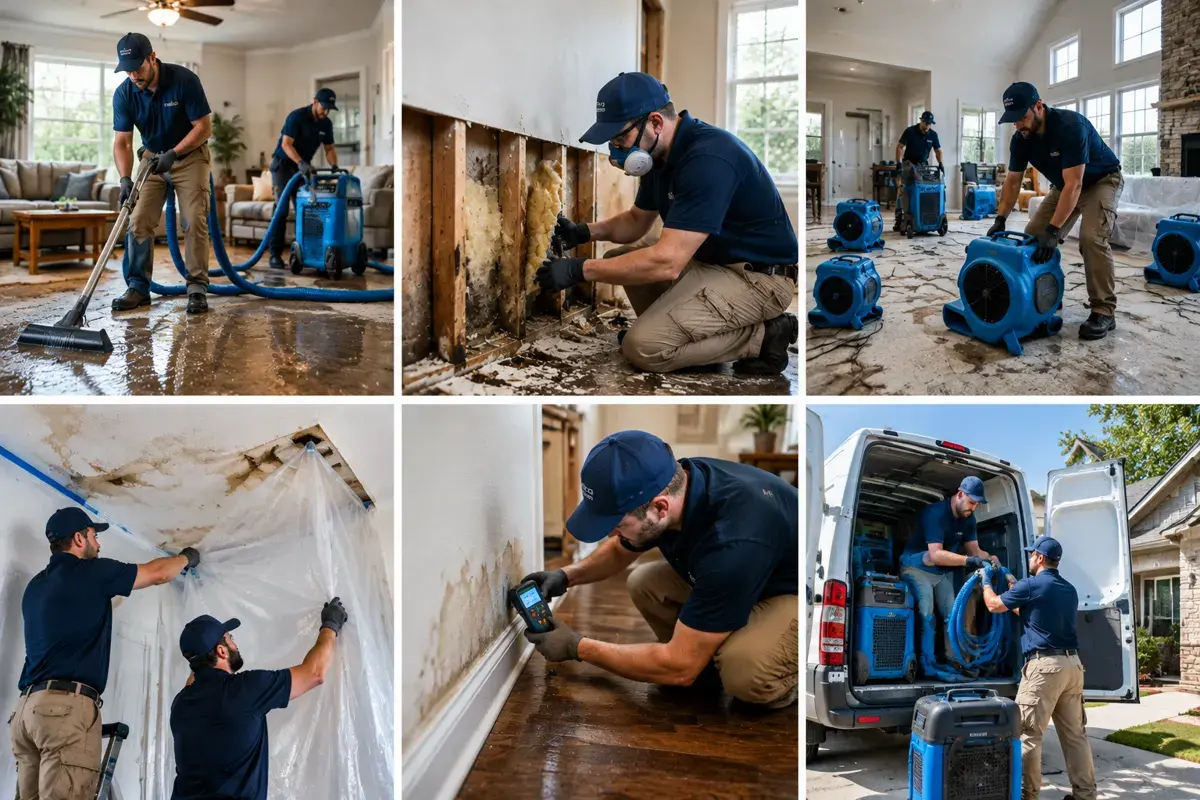
Water Damage Inspection
Mapping visible and accessible moisture before deciding on cleanup work.
Call Now · (443) 951-6283A plan for the whole water path
An unexplained stain deserves a documented inspection rather than an assumption about its source. This service focuses on mapping visible and accessible moisture before deciding on cleanup work. An inspection maps visible and accessible moisture, follows the reported symptoms and helps define cleanup needs. We explain any additional opening or specialist testing needed to investigate concealed conditions.
The scope includes reviewing accessible wall, ceiling and floor surfaces, identifying accessible wet areas and explaining what needs removal or drying. Checks should extend into areas adjoining the visible symptom and the room below it when the observed pattern calls for it. A cleanup plan also separates the original source repair from the work needed inside the building. Knowing which task belongs to which provider helps prevent a repaired surface from concealing an unresolved moisture condition.
Tell the team when the problem began, whether water is still entering and what has changed since you first noticed it. With water damage inspection, a room that looks unchanged from a distance may still need a closer review at joints, edges and adjoining materials. The initial discussion sets a starting point; the actual work boundary follows the conditions found on site.
How this problem starts
- A slow supply leak.
- Intermittent rain entry.
- A previous release that was not fully dried.
- Condensation affecting a cold surface.
- Water moving from an adjoining room.
For this type of loss, timing and source information matter together. For example, an unexplained stain, damp odor or suspected hidden leak can create a different moisture pattern from a brief spill on an open floor. Note whether the release was continuous, intermittent or noticed only after another symptom appeared. Do not assume that the first visible mark is the original entry point.
Source control needs to be part of the plan. Cleanup addresses affected building materials; a failed pipe, roof opening, appliance connection or drainage problem may need a separate repair. Explain any repair already completed and whether the area became wet again afterward. This gives the inspection a useful history without asking anyone to disturb unsafe materials.
Warning signs to act on
- A stain with no clear source.
- A damp odor without standing water.
- Recurring marks after painting.
- A wet patch beside an enclosed fixture.
- Uncertainty about whether materials have dried.
Any one sign is a reason to look more closely, not a complete diagnosis. Compare the affected area with adjacent surfaces and describe changes rather than touching unstable materials. The review may need to include areas adjoining the visible symptom and the room below it. Photos taken from a safe position can show whether the boundary has spread between the first observation and the visit.
An odor or stain does not, by itself, identify water category, hidden damage or a particular contaminant. Share what you observed and let the scope reflect access, material condition and the apparent source. If a ceiling sags, a floor feels unstable or water reaches electrical equipment, keep people away from that location until the hazard is addressed.
Seeing these signs? Talk through the next step.
Tell us what happened, what is wet and how to reach the property.
How we approach water damage inspection
Review the history and visible symptoms
The starting review follows an unexplained stain, damp odor or suspected hidden leak. We discuss when it happened, what remains active and which rooms or building spaces can be accessed safely. That establishes a working boundary before equipment or material removal is planned.
Check accessible surfaces and record moisture observations
Work is organized around accessible wall, ceiling and floor surfaces. The amount of water, its apparent source and the condition of each surface help determine what can remain in place. Items that obstruct access need a handling plan rather than being pushed into an unaffected room.
Explain access limits and any need for further opening
The team considers moisture within areas adjoining the visible symptom and the room below it. Where a finish blocks access, the reason for opening it should be explained. Drying equipment and removal work are selected for the affected assembly, with practical access maintained for checking progress.
Summarize findings and discuss a cleanup scope if needed
Changes in material condition and moisture observations guide the next decision. Before finishes are enclosed, discuss remaining damp areas, source repairs and any separate rebuilding work. The aim is a clear handover with the scope of completed cleanup distinguished from repairs still needed.
Before help arrives
Write down when you first noticed the problem and whether it changes after rain or fixture use. Keep relevant photos. Avoid painting over the symptom before it is reviewed.
Keep an unaffected route available for people who need to enter the building. Take wide photographs before close-ups, and note the date and the apparent water source. If you have already moved an item or stopped a supply, explain that change during the call. Do not delay a necessary safety action just to collect photographs.
Avoid covering wet accessible wall, ceiling and floor surfaces with new finishes or stored belongings. That can make the condition harder to inspect and reduce access for drying. If the area cannot be used safely, choose another room or route until an on-site plan is available. Ask about any uncertainty before attempting demolition, equipment changes or disposal.
Call Now · (443) 951-6283Homes and businesses: different access needs
A home inspection may center on a single room and its adjoining spaces. Commercial inspection may require permission from more than one occupant and access to shared service areas.
The same material can need different handling depending on access, occupants and the way the space is used. Explain whether the area contains sleeping rooms, customer circulation, fixed cabinetry or items that cannot be moved easily. Those details affect staging and communication, while the water source and actual moisture condition remain central to the cleanup decisions.
Estimated Cost of Water Damage Inspection
The amount of affected accessible wall, ceiling and floor surfaces and the access needed to reach areas adjoining the visible symptom and the room below it help determine the price. Water category, removal needs and time required for drying can change the scope after the initial review.
| Job Size | What It Usually Involves | Estimated Range |
|---|---|---|
| Minor | A limited affected section with accessible surfaces and a small work boundary. | $150–$250 |
| Moderate | Several adjoining materials or a concealed area needing additional access. | $250–$350 |
| Extensive | A wider affected boundary, more material handling and a longer work sequence. | $350–$500 |
- Affected surface area and water category
- Access behind finishes or fixed fixtures
- Materials requiring removal and handling
- Equipment needs and drying time
These are typical ranges, not quotes. Your price depends on the affected area, water category, materials and drying time. Call (443) 951-6283 for an estimate based on your property.
Call Now · (443) 951-6283Questions about water damage inspection
What does water damage inspection include beyond the visible damage?
An inspection maps visible and accessible moisture, follows the reported symptoms and helps define cleanup needs. We explain any additional opening or specialist testing needed to investigate concealed conditions. The review considers areas adjoining the visible symptom and the room below it when access and observations support checking there.
Which warning signs matter most for water damage inspection?
A stain with no clear source, a damp odor without standing water and recurring marks after painting are useful details to report. Do not disturb unstable materials to confirm a symptom.
What should stay untouched before water damage inspection begins?
Write down when you first noticed the problem and whether it changes after rain or fixture use. Keep relevant photos. Avoid painting over the symptom before it is reviewed. Let the team review affected materials before cosmetic work closes off access.
How is the price for water damage inspection established?
The planning range starts at $150 and extends to $500. The affected materials, water category, access and drying needs determine the property-specific estimate.
Discuss your water damage inspection needs.
Serving Port Republic and Southern Maryland, 24/7