
Mold Inspection & Moisture Review
Review visible growth, damp materials and the moisture source to define the cleanup area.
Address visible growth, damp materials and the moisture source in your home or business.
Call Now · (443) 951-6283Review visible growth, damp materials and the moisture source to define the cleanup area.
Address affected insulation, floor framing and accessible surfaces beneath your living space.
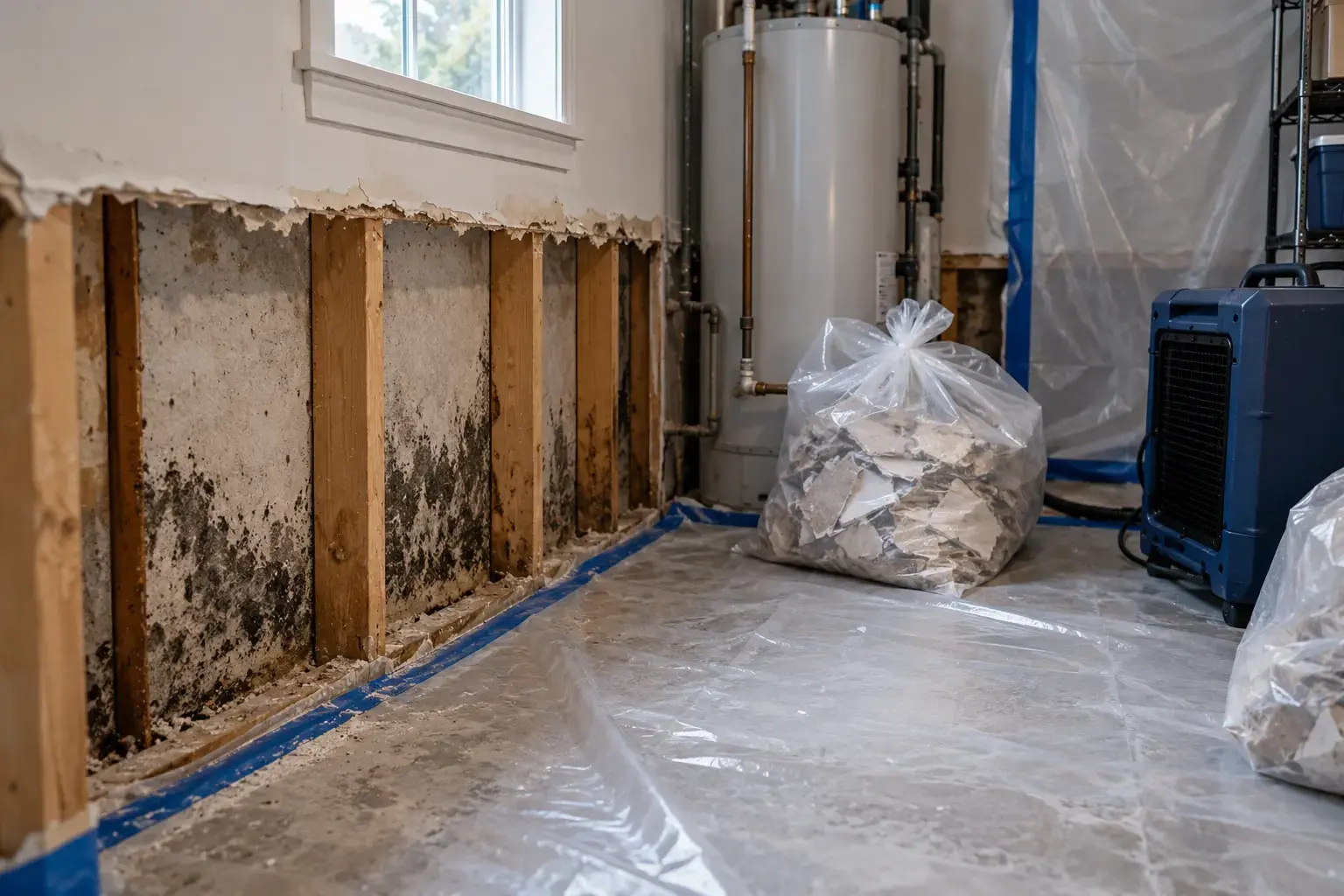
Remove affected materials and clean accessible surfaces around damp basement walls and storage areas.
Remove affected wallboard and open the cavity so wet insulation and framing can be addressed.
Check overhead moisture and handle affected ceiling materials, insulation and accessible framing.
Address growth around plumbing or roof leaks while tracing the moisture that keeps materials damp.
Plan controlled cleanup around living areas, personal belongings and access to the rooms you use.
Coordinate affected-material handling and cleanup around staff routes, stock and occupied workspaces.
If growth has appeared beside a leak, under a floor or on damp drywall, call us for mold removal in Port Republic, MD. We review the affected area, identify the moisture conditions and plan controlled removal and cleaning. The work follows the materials involved so a fresh finish does not simply cover a damp cavity.
Port Republic is in Calvert County, ZIP 20676, between the Chesapeake Bay and the Patuxent River. Crawl spaces and basements are common regional home features. Water in either space can wet insulation, framing or the underside of the occupied floor, leaving a problem that is easy to miss from the room above.
Tell us when you first noticed the growth or odor and whether the area has a history of plumbing leaks, rain entry or flooding. We explain access, material handling and drying needs before work begins. Emergency dispatch and mitigation are available 24/7; call to discuss the conditions at your property.
Call while the affected area is still accessible. Repainting, covering flooring or closing a wall can hide the condition and make the next inspection harder. We review the moisture path and adjoining materials to define what needs attention.
You do not need to identify the type of mold before calling. Describe what you can see from a safe position, where the odor is strongest and what changed after the original water problem. Keep the affected space clear so inspection and controlled handling can be planned.
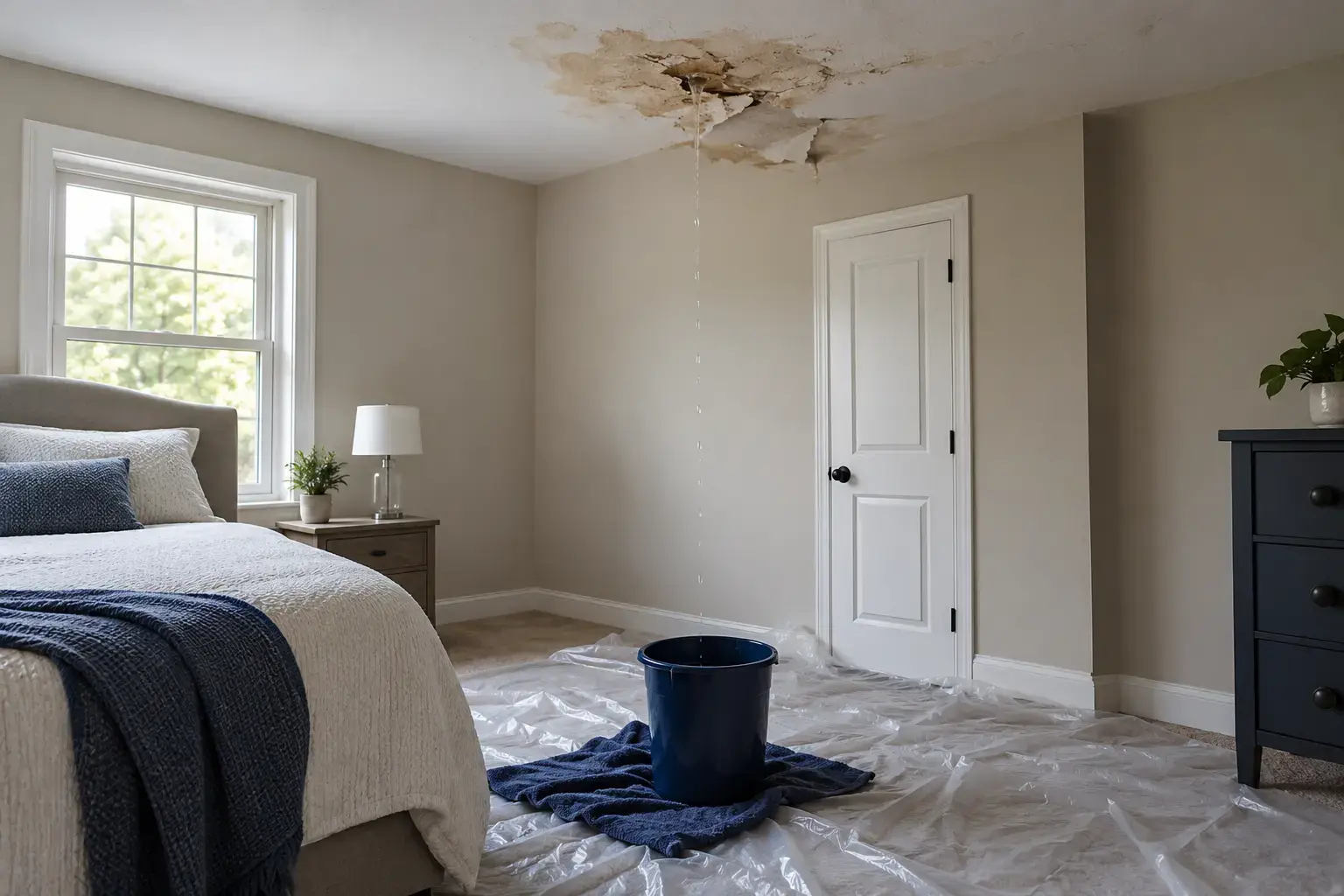
An unresolved supply leak can keep the back of a wall wet even after the exposed floor has been wiped. Rain entering through a roof or exterior opening can soak ceiling insulation before growth appears indoors. We inspect the reported water path and accessible surfaces, including the spaces beside and below the visible mark.
For rural homes using private wells or septic systems, tell us whether the original problem was a supply release or wastewater backup. Sewage-affected materials need a contamination-focused handling plan. In a basement or crawl space, pooled water and wet insulation need attention alongside the surfaces visible from the occupied rooms.
Bayfront homes in the region are exposed to storm surge and wind-driven rain. After storm water enters a Port Republic property, the cleanup needs to address wet wallboard, floor layers and enclosed areas before new finishes are installed. We discuss source correction and building cleanup together so ongoing moisture is addressed.
Call Now · (443) 951-6283Tell us what happened, what is wet and how to reach the property.
We review the leak history, visible growth and accessible adjoining materials. Moisture checks help identify wet wall, ceiling and floor assemblies and show where additional access is needed.
We define the affected boundary and organize access around occupied rooms and dry belongings. Separation and material-handling measures are planned for the size and condition of the work area.
We remove affected porous materials where needed and clean accessible surfaces using the agreed work plan. Controlled handling keeps debris organized while wet insulation, damaged wallboard and cavity surfaces are addressed.
We address remaining building moisture and review drying observations before finishes are enclosed. You get an explanation of completed cleanup, source-control needs and any separate rebuilding work to arrange next.
Avoid brushing, sanding or disturbing visible growth. Do not point fans across it or start opening affected cavities yourself. Keep people and pets outside the work area, and report any wet electrical fittings or unstable materials during the call.
If a water supply is still leaking, isolate it only from a safe, dry position. Take photographs without touching the affected surface and note when the leak, odor or growth first appeared. Explain any repair already completed so we can check what remains wet.
Leave affected porous items in place until their handling has been discussed. Moving them through dry rooms can spread debris, while storing belongings against wet walls can block inspection and drying. We help you plan access and explain what should be moved before work starts.
In a home, we discuss bedrooms, belongings and access to the rooms you use each day. A wet crawl space can affect the floor assembly below a living area, while a basement leak can involve stored contents and finished walls. We follow those connections when defining the cleanup boundary.
For a business, the plan also accounts for staff routes, stock and the person who can authorize access. Let us know if the suspected moisture path crosses a shared wall or ceiling space. We coordinate the work boundary with your site contact and explain which rooms and materials need attention.
Mold removal cost in Port Republic depends on the affected area, material condition, access and the moisture work needed. Small-area planning ranges are $1,200–$4,000, while larger or whole-home work can range from $4,000–$10,000+.
The scope can change when growth extends behind a finish or wet insulation blocks drying access. We review the boundary and explain removal, cleaning and drying needs in the property estimate.
| Job Size | What It Usually Involves | Estimated Range |
|---|---|---|
| Minor | A small affected area with accessible surfaces and limited material handling. | $1,200–$4,000 |
| Moderate | A broader area or concealed cavity with additional removal and drying access. | $4,000–$6,500 |
| Extensive | Large or whole-home work with more separation, removal and moisture management. | $6,500–$10,000+ |
Typical ranges, not quotes. Call (443) 951-6283 for an estimate for your property.
Call Now · (443) 951-6283Yes. We handle affected-material removal, accessible-surface cleaning and moisture-related cleanup for homes and businesses. Call with the visible growth, leak history and access details so we can discuss the next step.
We review accessible crawl-space or basement conditions as part of the reported moisture problem. Tell us about wet insulation, odors rising through the floor and any standing water; stay out of wet or unfamiliar confined areas.
Moisture can remain inside the wall or continue entering from a leak. We review the source and affected cavity so cleaning, removal and drying address the condition behind the finish.
Avoid directing air across visible growth or disturbing the surface. Keep the area clear and call to discuss controlled handling, affected materials and drying after the work area is defined.
We clean accessible surfaces and address moisture in the remaining assembly. Before the space is enclosed, we discuss drying observations, source repairs and the rebuilding scope needed to restore finishes.
Serving Port Republic and Southern Maryland, 24/7